

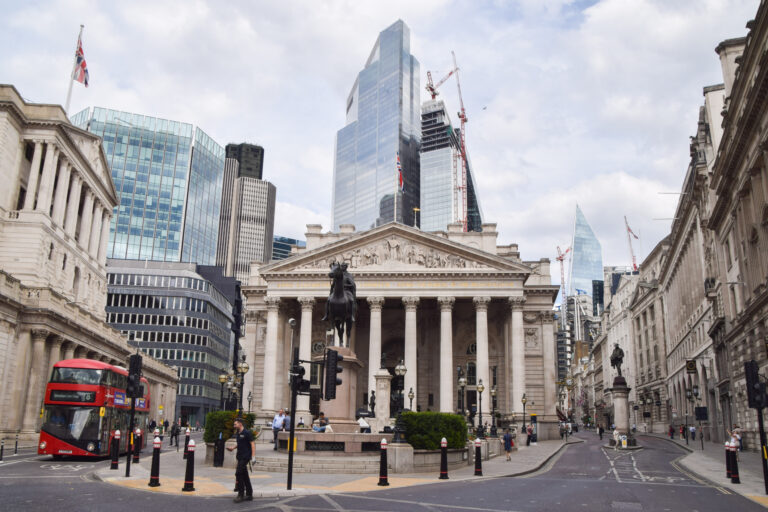
Why Did The Base Rate Increase ?
The Bank of England has increased its Base Rate from 3.75% to 4.00%, amid growing concerns about inflation and the outlook for the UK economy.
The main concern is rising energy prices, driven by ongoing tensions in the Middle East. The Bank now forecasts inflation could reach approximately 5% by mid-2027, significantly above its 2% target. By raising interest rates, the Bank aims to prevent higher energy costs from triggering wider price increases and additional wage pressures.
For mortgage borrowers, this could mean higher borrowing costs and fewer opportunities for significant reductions in fixed mortgage rates in the months ahead.
Why Swap Rates Remain High - What Does This Mean For Mortgages ?
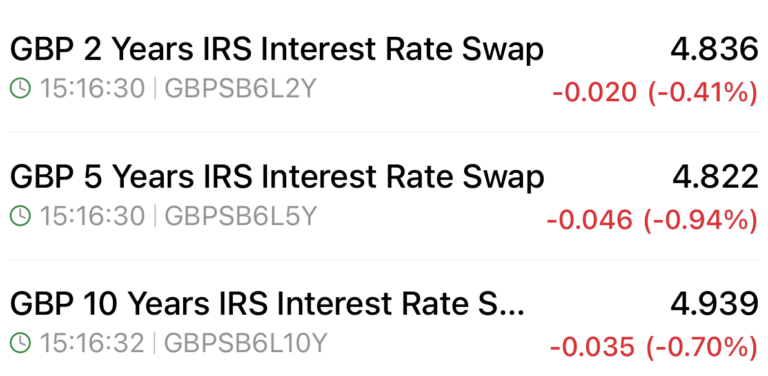
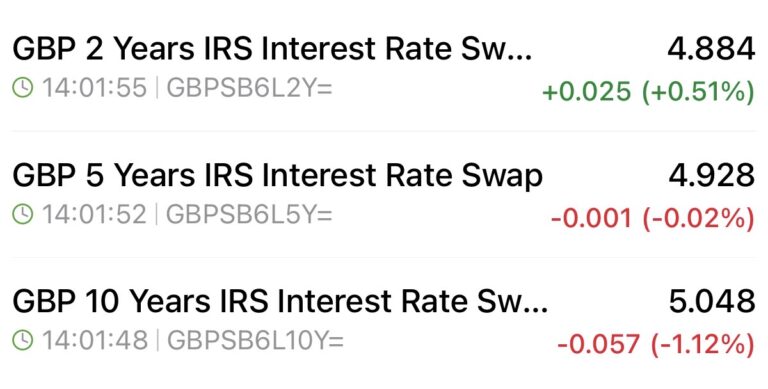
Swap rates have risen significantly since the end of July, reflecting changing expectations about inflation and future Bank of England interest rates. Mortgage lenders use swap markets when determining the cost of funding their fixed-rate products. Although swap rates have eased slightly since September, they remain elevated as shown in the charts below.
Despite recent reductions, lenders may continue to face pressure on fixed-rate mortgage pricing, particularly if inflation remains high and markets anticipate further interest rate increases. What matters to fixed-rate mortgage pricing is not simply where Bank Rate stands today, but where financial markets expect interest rates to be in the years ahead.
6 November 2026 Swaps
18 September 2026 Swaps
Where Could Interest Rates Go Next ?
With the Bank of England having increased Base Rate to 4.00%, attention is now turning to whether further increases will be necessary to control inflation. Financial markets are currently pricing in the possibility of interest rates rising towards 4.5% by the end of 2027, reflecting concerns about persistent inflation, higher energy costs and wider economic uncertainty. However, market expectations can change quickly, and further increases are far from guaranteed. Much will depend on how inflation, wage growth and the wider economy develop over the coming months.
For mortgage borrowers, the key message is that interest rates could remain higher for longer. This uncertainty is keeping swap rates elevated and placing continued pressure on fixed-rate mortgage pricing. Reviewing mortgage options early remains particularly important for homeowners approaching the end of their current deal. The important point for mortgage borrowers is that markets are currently demanding a substantial premium against the risk of rates remaining higher or increasing further. This is helping to keep swap rates, and consequently fixed mortgage pricing, higher than might otherwise be expected.
You can also use our online mortgage sourcing tool to check the latest deals available. The system provides real-time mortgage results, allowing you to compare products based on your own circumstances before deciding whether to take advice or secure a rate. This can be particularly useful if your current mortgage deal is ending soon, or if you want to understand how recent market movements may affect your borrowing options.
