

Mortgage Rates Rising
Mortgage rates are rising again because financial markets now believe the Bank of England is less likely to cut interest rates in the near future.
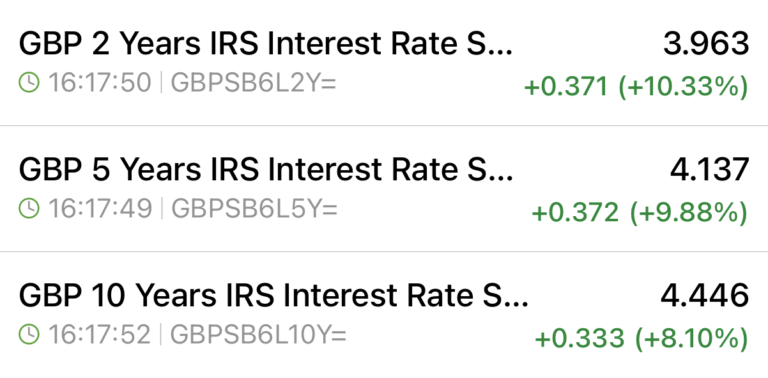
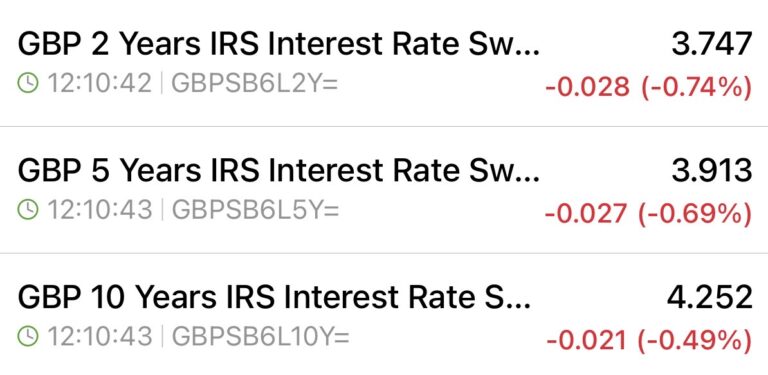
Swap rates used by lenders to price fixed mortgages and reflecting expectations of future interest rates have risen sharply over the past week, increasing lenders’ funding costs.
As a result, several lenders, including HSBC, Nationwide Building Society, NatWest and Virgin Money, have already increased mortgage rates, with others expected to follow.
The market had expected rate cuts during spring or early summer 2026, but recent developments may delay this until later in the year if inflation pressures persist.
Swap Rates - Why Mortgage Rates Have Increased
Recent tensions in the Middle East have unsettled global markets. When geopolitical events threaten oil supply, energy prices tend to rise. Higher energy costs increase inflation expectations across the global economy. When investors believe inflation may stay higher for longer, they expect central banks such as the Bank of England to delay cutting interest rates. Financial markets react quickly to this change in expectations.
As a result, swap rates—which lenders use to price fixed-rate mortgages—have risen sharply. When swap rates increase, lenders’ funding costs rise, and mortgage providers often respond by increasing fixed mortgage rates or withdrawing products.
In short: global uncertainty → higher inflation expectations → rising swap rates → higher mortgage rates.
6th March Swaps
18th December Swaps
Review Your Mortgage Now?
If your mortgage deal ends in the next 3–6 months, it may be sensible to secure a rate now. Many lenders allow borrowers to lock in a rate and switch to a cheaper one before completion if rates fall, providing some protection against further increases.
At IMDNE, we continually monitor lender rates right up until completion. If a lower rate becomes available, we automatically secure the improved deal, ensuring you never miss out on better terms.
